
There’s something about the bright, tangy flavors of a perfectly balanced orange sauce paired with crispy, tender duck that just sings. This Duck à l'Orange Recipe is one of those dishes that feels fancy but is surprisingly straightforward, making it perfect for impressing guests or treating yourself on a weekend. It’s a classic for good reason, and I’m excited to show you how simple it can be to create at home.
Why You'll Love This Recipe
This Duck à l'Orange Recipe holds a special place in my heart because it strikes a perfect harmony between sweet and savory — plus, it’s a great way to showcase duck breasts without fussing over a whole bird. Every time I make it, the kitchen fills with that incredible aroma of caramelized orange and seared duck skin that instantly boosts my mood. You’ll love how effortlessly elegant it feels on the plate and how approachable it truly is.
- Simple yet impressive: Uses duck breasts for a quicker cook time without sacrificing flavor.
- Bright orange sauce: Balanced with marmalade, zest, and a touch of cayenne for depth and sparkle.
- Perfectly crispy skin: The scoring technique helps render the fat and get that irresistible crunch.
- Versatile to customize: You can tweak the sauce or sides to match your mood or occasion.
Ingredients & Why They Work
What makes this Duck à l'Orange Recipe stand out is how each ingredient plays a role in building that beautiful balance of flavor and texture. The duck itself brings richness, and the sauce’s combination of orange liqueur, marmalade, and sherry vinegar creates layers of sweetness, acidity, and sharpness that perfectly counterbalance the meat’s fat. Here’s a quick rundown that’ll help as you shop and prep.
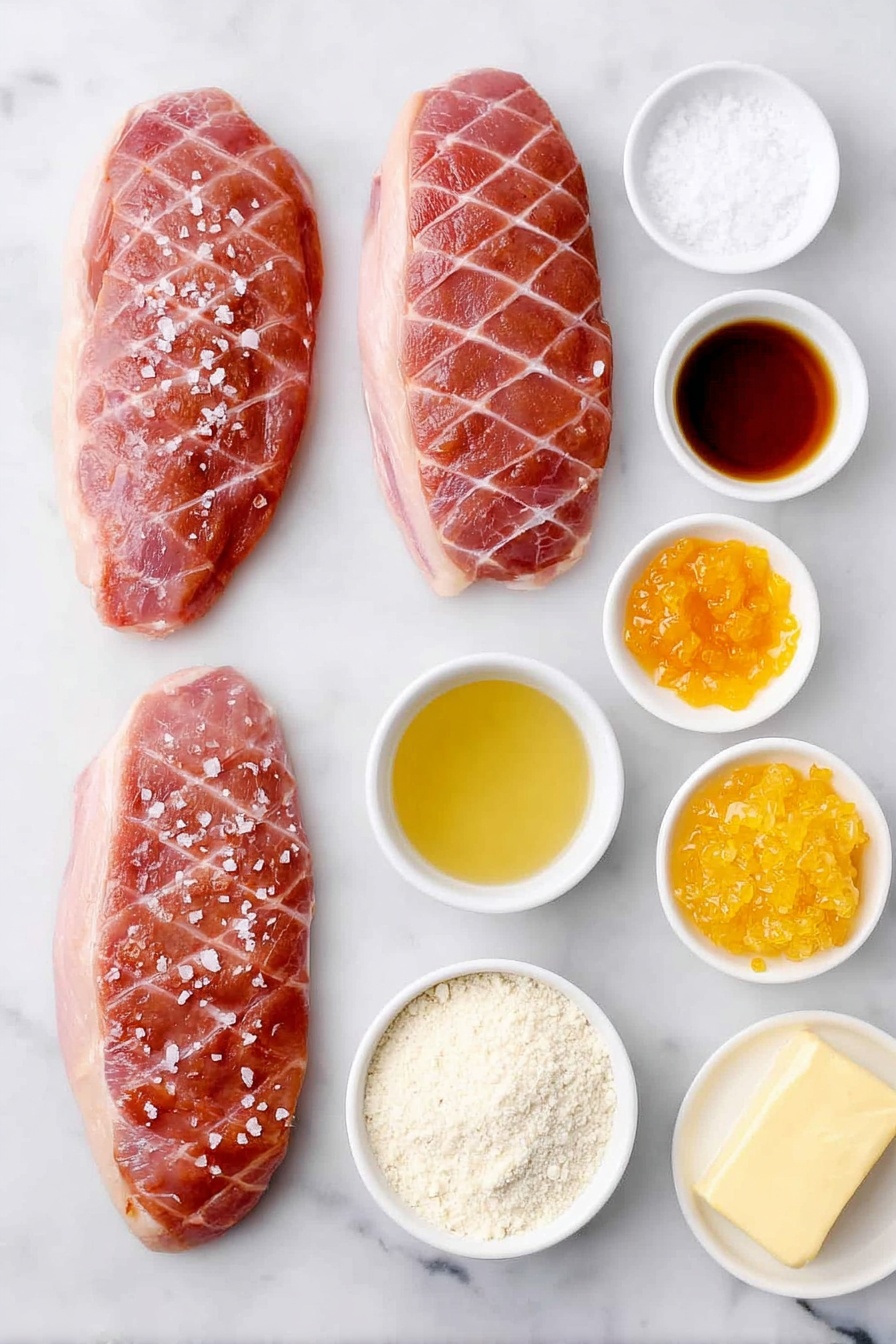
- Duck breast halves: Look for good-quality, fresh breasts with the skin on for maximum flavor and crispiness.
- Salt: Essential for seasoning and helping to draw out moisture from the skin for crispness.
- Chicken broth: Adds savory depth to the sauce without overpowering the delicate flavors.
- Orange liqueur (like Grand Marnier®): Brings authentic citrus flavor and a hint of warmth; can substitute with triple sec if needed.
- Sherry vinegar: The perfect tangy counterpoint that adds brightness to the sauce.
- Seville orange marmalade: Offers that unique tart sweetness classic in Duck à l'Orange; regular marmalade works if that’s what you find.
- Orange zest: Adds fresh citrus oils and aroma, lifting the whole dish.
- Cayenne pepper: Just a pinch to add subtle heat and complexity.
- Reserved duck fat: It’s your secret weapon for cooking the duck skin perfectly and enriching the sauce base.
- All-purpose flour: Helps thicken the sauce to a luscious consistency.
- Butter: Finishes the sauce with richness and a silky texture.
Make It Your Way
While I stick closely to the classic flavors, one thing I love about this Duck à l'Orange Recipe is how flexible it is. Feel free to play around with the heat level or sweetness in the sauce, and don’t be shy about pairing it with your favorite sides. Making it your own is part of the joy!
- Variation: Sometimes I swap the orange liqueur for brandy and add a splash of fresh orange juice for an even brighter sauce. It still tastes fantastic and feels a bit lighter.
- Dietary tweaks: If you want to cut back on sugar, reduce the marmalade slightly and balance with fresh orange juice or zest for brightness.
- Seasonal tweaks: Adding a dash of cinnamon or star anise to the sauce gives a wonderful warming twist during colder months.
Step-by-Step: How I Make Duck à l'Orange Recipe
Step 1: Prep Your Duck for Crispy Skin
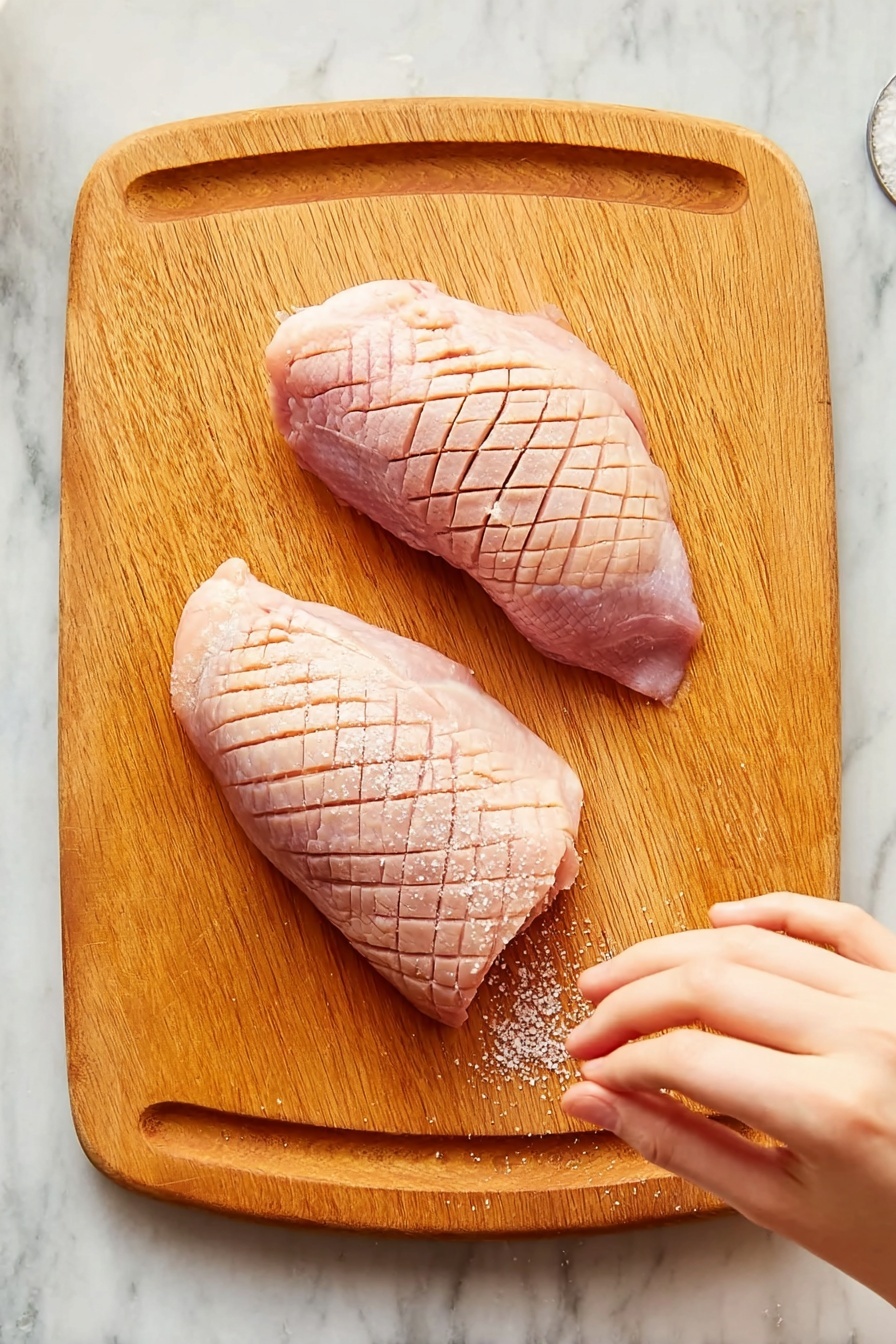
The first step is scoring the duck skin. I carefully slice almost through the skin and fat in a crosshatch pattern. This lets the fat render out beautifully, making the skin ultra crispy without burning. After seasoning well with salt, I let the duck rest skin-side up at room temperature for about 15 minutes. This little wait helps the salt do its magic, drying out the skin for better crispiness when cooked.
Step 2: Whisk Together the Orange Sauce Mixture
While the duck rests, I mix chicken broth, orange liqueur, sherry vinegar, Seville orange marmalade, grated zest, and a pinch of cayenne in a small bowl. This prep step is great because it keeps everything ready for when you finish cooking the duck, so the sauce comes together quickly and smoothly.
Step 3: Cook the Duck to Perfection
After patting the duck dry and seasoning the skin side again with salt, heat the reserved duck fat in a heavy skillet over medium heat. I carefully place the breasts skin side down and let them cook for about 6 minutes. This step is crucial for rendering out the fat and crisping the skin just right — resist poking or moving them too much. Flip, cook the flesh side around 4 minutes until the duck is medium rare (about 140°F), then transfer to rest. Resting allows the juices to redistribute, keeping the meat juicy.
Step 4: Create the Rich Orange Sauce
Pour off any rendered fat (I save mine for roasting veggies later!), then return the skillet to medium heat. Whisk in the flour and cook for about a minute, stirring constantly. Pour in the orange mixture and bring to a boil. Let it reduce and thicken for 3 to 5 minutes. Once the bubbling slows, reduce heat and stir in butter until silky and smooth. Finish with a pinch of salt to taste — always taste before serving!
Step 5: Slice and Serve
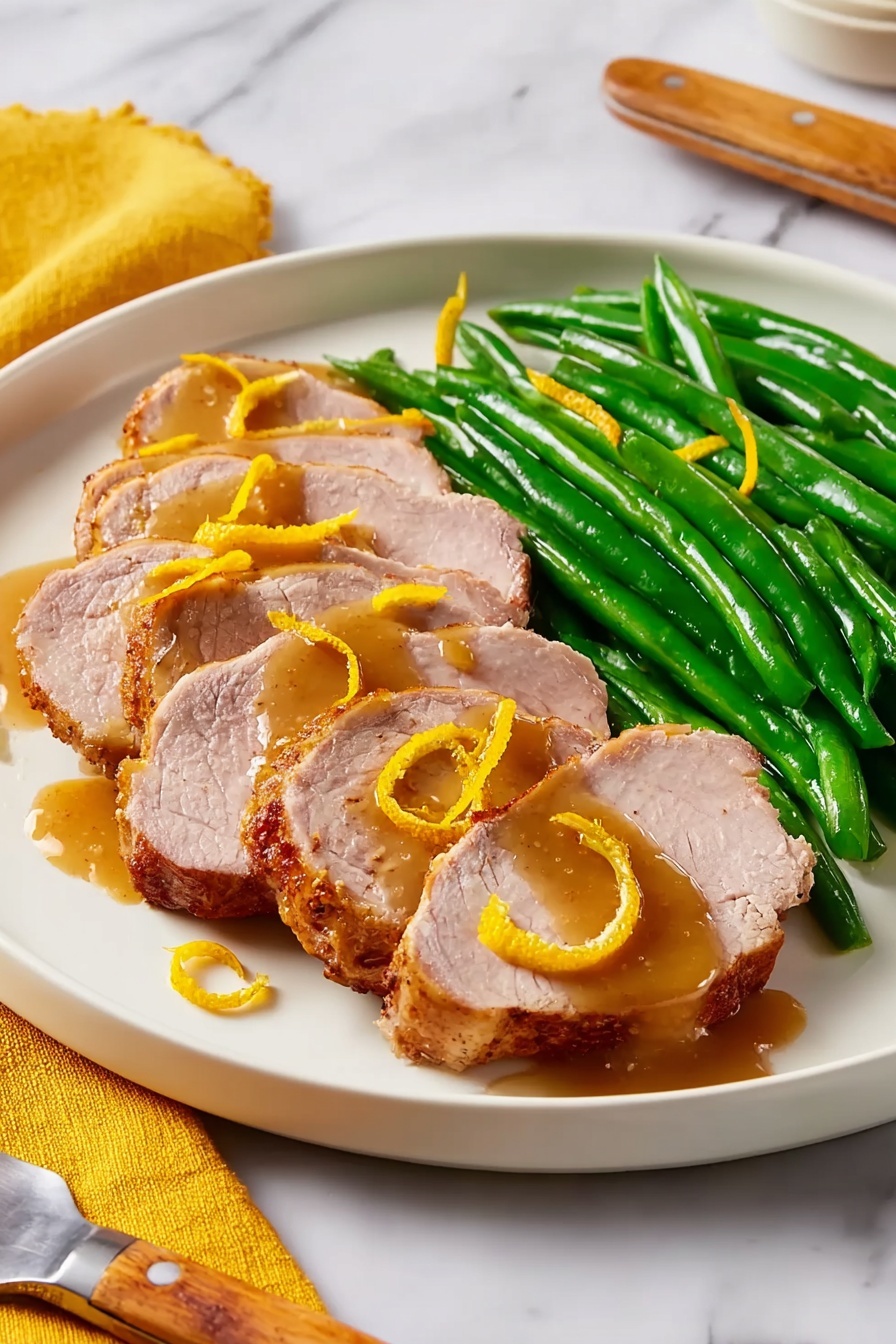
I always slice duck breasts against the grain — it helps the meat feel more tender when you bite into it. Arrange the slices on a warm plate, spoon over the luscious orange sauce, and garnish with thin strips of fresh orange zest for that fresh pop of color and aroma.
Top Tip
From my many attempts at this Duck à l'Orange Recipe, I've learned a few tricks that really make a difference, especially if you're new to cooking duck or this classic sauce.
- Score carefully: Don't cut too deep into the meat—just through the skin and fat. This helps render fat evenly and avoid drying out the breast.
- Pat dry twice: After resting and before cooking, drying the duck skin with paper towels helps it crisp way better.
- Use residual heat: When making the sauce, don’t rush — letting the sauce reduce slowly concentrates flavor beautifully without burning.
- Don’t skip resting the duck: It’s tempting, but resting keeps your duck juicy and tender instead of dry.
How to Serve Duck à l'Orange Recipe
Garnishes
I like to keep it simple with thin strips of fresh orange zest. The zest adds a burst of fragrance that makes every bite feel like a celebration. You could also sprinkle some finely chopped fresh parsley or a few baby arugula leaves for a peppery contrast.
Side Dishes
My favorite sides to pair with this Duck à l'Orange Recipe are creamy mashed potatoes or roasted Brussels sprouts. Both soak up or complement the tangy orange sauce perfectly. If you’re feeling adventurous, try wild rice or a simple carrot purée for a bit of sweetness.
Creative Ways to Present
For special occasions, I like plating the slices fan-style over a smear of sauce with elegant curls of orange peel spiraled on top. Adding a small sprig of thyme or rosemary can really elevate the look and add fresh herb aroma just before serving.
Make Ahead and Storage
Storing Leftovers
I usually store leftover duck slices and sauce separately in airtight containers in the fridge. This keeps the duck from soaking too much sauce and prevents it from getting soggy. They keep well for up to 2 days, which is perfect for a quick lunch or dinner.
Freezing
Freezing cooked duck à l'orange isn’t my first choice because the texture might change slightly, but you can freeze the sauce on its own if you want. Reheat gently before serving. If you do freeze duck, wrap it tightly and thaw overnight in the fridge for best results.
Reheating
To reheat, I gently warm the duck slices in a skillet over low heat to preserve their texture and avoid drying out. The sauce reheats beautifully in a small saucepan on low, stirred regularly to keep it silky.
Frequently Asked Questions:
Duck legs can be used but require longer cooking times and a different technique to get tender meat. This recipe is optimized for duck breasts for quicker, consistent results.
You can use regular orange marmalade as a substitute, though it’ll be sweeter and less tart. Adding a splash of fresh lemon or orange juice can help balance the sweetness.
Aim for an internal temperature of 140°F (60°C) for juicy, medium rare duck. The meat should be pink but not raw, tender yet firm to the touch. Use an instant-read thermometer for accuracy.
Yes! You can make the orange sauce a day ahead and gently reheat it when ready to serve. Just stir in the butter afterwards for a fresh finish.
Final Thoughts
I always think of Duck à l'Orange Recipe as the perfect dish that bridges old-world French elegance and modern, approachable cooking. Making it at home is a reminder that you don’t need a ton of fancy ingredients or super complicated steps to enjoy restaurant-quality meals. I’m confident you’ll find joy in each crispy bite and the vibrant sauce that brings it all together. Give it a try—you might just have a new favorite for special dinners or cozy nights in!
Print
Duck à l'Orange Recipe
- Prep Time: 15 minutes
- Cook Time: 20 minutes
- Total Time: 35 minutes
- Yield: 2 servings
- Category: Main Course
- Method: Stovetop
- Cuisine: French
Description
Duck à l'Orange is a classic French dish featuring succulent duck breast halves cooked to perfection and served with a tangy and slightly sweet orange sauce made from orange marmalade, orange liqueur, and a hint of cayenne pepper. This elegant recipe balances crispy duck skin with a rich citrus glaze, perfect for an impressive yet approachable meal.
Ingredients
Duck
- 2 duck breast halves
- salt to taste
- 1 tablespoon reserved duck fat
- 1 teaspoon all-purpose flour
- 1 tablespoon butter
Sauce
- 1 cup chicken broth
- 2 tablespoons orange liqueur (such as Grand Marnier®)
- 1 tablespoon sherry vinegar
- 1 tablespoon Seville orange marmalade, or more to taste
- 2 teaspoons grated orange zest
- 1 pinch cayenne pepper
Instructions
- Gather Ingredients: Collect all the ingredients needed for the recipe to ensure a smooth cooking process.
- Prepare Duck Breasts: Score the duck skin in a crosshatch pattern almost through the skin and fat. Generously season both sides with salt and rub it in. Let the breasts rest skin-side up at room temperature for 15 minutes to enhance flavor and texture.
- Make Orange Sauce Mixture: Whisk together chicken broth, orange liqueur, sherry vinegar, orange marmalade, grated orange zest, and cayenne pepper in a small bowl; set aside.
- Dry and Re-season Duck: Pat the duck breasts dry with paper towels to ensure crisp skin, then re-season the skin side with salt for extra seasoning.
- Render Duck Fat and Crisp Skin: Heat the reserved duck fat in a heavy skillet over medium heat for 2 minutes. Place the duck breasts skin side down and cook until the fat renders out and the skin turns crisp and golden, about 6 minutes.
- Cook Duck on Flesh Side: Flip the duck breasts and cook for about 4 minutes more until they firm up and remain reddish-pink and juicy in the center. The internal temperature should be 140 degrees F (60 degrees C) for medium-rare.
- Rest Duck Breasts: Transfer the cooked breasts to a plate and let rest while preparing the sauce. Pour any rendered duck fat into a glass jar for later use or discard.
- Prepare Orange Sauce: Return the skillet to medium heat. Whisk the flour into the pan to form a roux and cook for about 1 minute to remove the raw flour taste.
- Add Orange Mixture and Thicken Sauce: Pour the prepared orange mixture into the skillet and bring it to a boil. Cook until the sauce thickens and reduces, approximately 3 to 5 minutes.
- Finish Sauce with Butter: Reduce heat to low, wait until bubbling stops, then stir in the butter until melted and fully incorporated. Season with salt to taste.
- Serve: Slice the duck breasts across the grain, arrange them on a serving plate, and spoon the warm orange sauce over the top. Garnish with thin strips of orange zest for added flavor and presentation.
- Enjoy: Serve immediately and savor the harmonious blend of flavors in this classic French dish.
Notes
- Use duck breasts instead of a whole duck for a faster and more manageable cooking process.
- Scoring the duck skin helps render out excess fat and ensures crispy skin.
- Letting the duck rest after cooking maintains juiciness and tenderness.
- Adjust orange marmalade quantity according to your preferred sauce sweetness.
- For best results, use a heavy skillet to prevent hot spots and ensure even cooking.
Nutrition
- Serving Size: 1 serving
- Calories: 354 kcal
- Sugar: 12 g
- Sodium: 593 mg
- Fat: 21 g
- Saturated Fat: 8 g
- Unsaturated Fat: 0 g
- Trans Fat: 0 g
- Carbohydrates: 15 g
- Fiber: 0 g
- Protein: 20 g
- Cholesterol: 130 mg



Leave a Reply