
Getting a comforting, full-flavored dinner on the table takes just about 30 minutes with this Coconut Chicken Curry Recipe. It's vibrant, creamy, and perfectly balanced between sweet, spicy, and tangy — making it an instant family favorite in my house.

Jump to:
Why You'll Love This Recipe
Honestly, this Coconut Chicken Curry Recipe has been a go-to for me whenever I want something easy, satisfying, and packed with layers of flavor. Whether it’s a busy weeknight or a laid-back weekend, this curry hits all the right notes.
- Quick and Easy: You’ll have dinner ready in about half an hour with straightforward steps.
- Balanced Flavors: The creaminess of coconut milk blends perfectly with aromatic curry spices and a hint of lime zest.
- Flexible Ingredients: Use whichever chicken cuts you prefer or swap herbs to make it your own.
- Great Leftovers: This curry tastes even better the next day and freezes beautifully for future meals.
Ingredients & Why They Work
Each ingredient in this Coconut Chicken Curry Recipe plays a crucial role creating that creamy, fragrant, and slightly spicy dish you’ll crave. When I shop, I always pick fresh herbs and good-quality curry paste to boost the flavors.

- Coconut oil: Adds richness and subtly complements the coconut milk, plus it’s perfect for sautéing the aromatics.
- Yellow onion: Builds a sweet, caramelized base flavor when cooked slowly.
- Garlic & ginger: They bring sharp, warm notes that brighten the curry.
- Yellow curry powder & red curry paste: Provide layers of spice and heat—you can tweak the red curry paste amount based on your spice preference.
- Ground coriander: Adds a lemony, earthy undertone that pairs beautifully with the coconut milk.
- Red bell pepper: Brings sweetness and slight crunch contrast in texture.
- Chicken breast or thighs: I love thighs for juiciness, but breasts keep it lean—both work great cut into bite-sized pieces.
- Coconut milk (full-fat): The star for creamy richness that balances the spices perfectly.
- Lime juice: Adds fresh acidity that lifts all the flavors beautifully.
- Brown sugar: Balances heat and tartness with a touch of sweetness.
- Fish sauce (optional): Deepens umami, but you can skip if you prefer vegetarian or milder flavors.
- Cilantro and/or basil: Fresh herbs to garnish and add bright, herbal layers at the end.
- Chopped peanuts or cashews: Optional but adds a delightful crunch and nutty contrast.
Make It Your Way
I like to tweak this Coconut Chicken Curry Recipe depending on what’s in my fridge or who I’m cooking for. Don’t hesitate to customize it—you’ll find it easy to make your own.
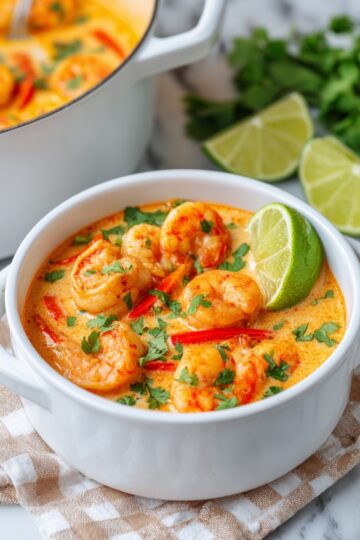
- Variation: Once, I swapped out chicken for shrimp and cut down the cooking time—a total hit with my seafood-loving friends.
- Dietary modifications: Use tofu or chickpeas for a plant-based version, just reduce cooking time accordingly.
- Spice level: If you’re spice shy, reduce the red curry paste; if you love heat, add some fresh chilies or chili flakes.
- Seasonal tweaks: Swap bell pepper for zucchini or snap peas for extra crunch when red peppers aren’t in season.
Step-by-Step: How I Make Coconut Chicken Curry Recipe

Step 1: Prep Your Aromatics and Veggies
Start by dicing the onion, mincing the garlic, and finely chopping the ginger. I usually peel the ginger with the edge of a spoon, which works better than a knife. Then thinly slice the red bell pepper into long strips and halve those strips for bite-sized pieces. Having all this ready before you turn on the stove makes the cooking flow so much smoother.
Step 2: Sauté Aromatics and Toast Spices
Heat 2 tablespoons of coconut oil in a deep skillet over medium-high heat. Toss in the onions and cook until they start turning golden—about 3-5 minutes. Stir in garlic and ginger, letting them coat in the oil for another minute. Drop heat to low and add yellow curry powder, red curry paste, and ground coriander. Stir frequently for 2-3 minutes until the spices smell fragrant and slightly toasted. This step fills your kitchen with amazing aromas, and it’s worth the patience.
Step 3: Cook the Chicken and Bell Pepper
Turn the heat back to medium-high, add the last tablespoon of coconut oil and the sliced bell pepper. Stir for a minute or two, then add your chicken pieces. Season generously with salt and pepper—I usually use about 1 teaspoon salt and ½ teaspoon pepper. Cook, stirring often, for 4-5 minutes until the chicken is browned but not quite done. This ensures juicy chicken in the final dish.
Step 4: Finish with Coconut Milk and Lime
Pour in the coconut milk, add a tablespoon of fresh lime juice and brown sugar. Give everything a good stir and lower the heat. Let the curry simmer gently until the chicken is cooked through and the sauce slightly thickens, roughly 5-7 more minutes. If you like, stir in fish sauce at the end for an umami boost. Taste and adjust the sugar or lime if needed.
Step 5: Garnish and Serve
Serve the curry hot over fluffy basmati rice or with warm naan. Sprinkle chopped cilantro or basil on top and add some crushed peanuts or cashews if you like a nutty crunch. Extra lime wedges on the side brighten each bite beautifully.
Top Tip
With all the curry flavors blending, I’ve learned a few tricks that make this Coconut Chicken Curry Recipe even better, especially to keep your chicken tender and the sauce perfectly creamy.
- Even browning: Don’t overcrowd your pan when cooking chicken pieces. Brown in batches if needed to get that nice caramelization.
- Spice blooming: Toast the spices gently on low heat to bring out their full aroma but watch carefully so they don’t burn.
- Adjust thickness: If your curry is too thin, mix a bit of cornstarch with reserved sauce and whisk it back in—it thickens wonderfully without altering flavor.
- Fresh herbs last: Add cilantro or basil just before serving to keep their vibrant color and fresh taste.
How to Serve Coconut Chicken Curry Recipe

Garnishes
I usually keep it simple with fresh chopped cilantro and basil—they add such a refreshing punch. Crushed peanuts or cashews are a must for me because I love the crunchy texture contrast. Sometimes, I even sprinkle a little finely sliced red chili for extra heat and a pop of color.
Side Dishes
This curry pairs beautifully with basmati rice—I find its fluffy grains soak up the sauce perfectly. Warm naan or roti on the side rounds out the meal and is perfect for scooping. If I want a veggie boost, I serve steamed greens or a simple cucumber salad alongside.
Creative Ways to Present
For special dinners, I like to serve this curry in individual coconut shell bowls when I can find them—it feels festive and matches the coconut theme! Garnishing with edible flowers or fresh lime zest curls adds extra flair. You can also layer the rice and curry in a tall glass for a fun visual effect.
Make Ahead and Storage
Storing Leftovers
I store leftover Coconut Chicken Curry in an airtight container in the fridge. It keeps beautifully for up to three days. The flavors actually deepen overnight, making the next-day meal even tastier.
Freezing
I've frozen this curry several times without any loss in flavor or texture. Just portion it into freezer-safe containers and freeze for up to three months. Defrost in the fridge overnight before reheating.
Reheating
When reheating, I prefer warming it gently on the stove over low heat, stirring frequently. Sometimes the sauce thickens a bit in the fridge, so I add a splash of coconut milk or water to loosen it back up. Microwave works fine too—just watch for even heating.
Frequently Asked Questions:
Absolutely! Substitute chicken with tofu or chickpeas, and skip the fish sauce or replace it with soy sauce or tamari for an equally flavorful dish.
The red curry paste controls the heat mostly—use less for a milder curry or add more if you enjoy spicier dishes. Fresh chilies or chili flakes are additional ways to increase heat if desired.
You can use a neutral oil like vegetable, canola, or even olive oil, but coconut oil enhances the coconut flavor and richness uniquely.
It should be creamy and slightly thick but still saucy enough to drizzle over rice or naan. If it’s too thin, you can whisk in cornstarch mixed with a little sauce to thicken it up quickly.
Final Thoughts
This Coconut Chicken Curry Recipe has become one of those dishes I make when I want comfort food that’s full-flavored but stress-free. I love how the creamy coconut milk perfectly softens the spices while still letting each ingredient shine. It’s a recipe that’s easy to tweak and share, and I hope you enjoy it just as much as I do. Trust me—once you try it, you’ll want to add it to your regular rotation.
Print
Delicious Recipe
- Prep Time: 15 minutes
- Cook Time: 15 minutes
- Total Time: 30 minutes
- Yield: 4 servings
- Category: Main Course
- Method: Stovetop
- Cuisine: Thai
- Diet: Gluten Free
Description
This Coconut Chicken Curry is a rich and flavorful dish combining tender chicken breast or thighs with a fragrant blend of coconut milk, curry powder, and red curry paste. Enhanced with fresh ginger, garlic, and spices, it's perfect served over basmati rice or with naan bread for a satisfying meal full of warmth and exotic taste.
Ingredients
Main Ingredients
- 3 tablespoons coconut oil, divided
- ½ medium yellow onion, diced (about ½ cup)
- 3 cloves garlic, minced (about 1 ½ teaspoons)
- 2 tablespoons finely minced ginger (from a 1 ½-inch piece)
- 2 teaspoons yellow curry powder
- 3 tablespoons red curry paste (e.g., Thai Kitchen; adjust spice level as desired)
- 2 teaspoons ground coriander
- 1 large red bell pepper
- 1 pound boneless, skinless chicken breast or thighs, cut into 1-inch pieces
- Salt and pepper (about 1 teaspoon fine sea salt and ½ teaspoon black pepper)
- 1 (13.5-ounce) can full-fat coconut milk (not lite)
- 1 lime (for juice and serving wedges)
- 1 to 2 tablespoons brown sugar (to taste)
- 2 teaspoons fish sauce (optional)
- ¼ cup cilantro and/or basil, chopped
- Chopped peanuts or cashews (optional garnish)
Instructions
- Prepare Ingredients: Dice the onion, mince the garlic, and peel then finely mince the ginger using a spoon or vegetable peeler. Thinly slice the red bell pepper into long vertical strips, then cut those strips in half horizontally.
- Sauté Aromatics: Heat 2 tablespoons of coconut oil in a large deep skillet over medium-high heat. Add diced onion and sauté for 3 to 5 minutes until onions begin to turn golden. Add minced garlic and ginger, stirring to coat with oil.
- Add Spices: Lower heat to low. Stir in the yellow curry powder, red curry paste, and ground coriander. Cook for 2 to 3 minutes, stirring often, until spices are lightly toasted and fragrant.
- Cook Vegetables and Chicken: Increase heat back to medium-high and add remaining 1 tablespoon coconut oil along with the sliced red bell pepper. Stir for 1 to 2 minutes. Add chicken pieces, sprinkle with salt and pepper, and cook for 4 to 5 minutes, stirring often, until chicken is browned but not fully cooked through.
- Simmer Curry: Pour in the coconut milk, add 1 tablespoon lime juice, and brown sugar to taste (start with 1 tablespoon). Stir well and cook until chicken is fully cooked (165°F internal temperature) and sauce slightly thickens. If using, stir in fish sauce now.
- Serve and Garnish: Serve the curry over cooked basmati rice or with naan bread. Garnish with chopped cilantro, basil, and optional chopped peanuts or cashews. Provide additional lime wedges on the side for extra brightness.
Notes
- Serve the curry over basmati rice or with naan bread for a complete meal.
- For a thicker sauce, mix 1 to 2 tablespoons of the hot sauce with 1 tablespoon cornstarch until smooth, then whisk back into the curry and cook until thickened.
- Store leftovers in an airtight container in the refrigerator for up to 3 days or freeze up to 3 months. Reheat gently in the microwave or on the stovetop, adding a splash of coconut milk if needed to loosen the sauce.
- Adjust the amount of red curry paste to control spice levels according to taste.
Nutrition
- Serving Size: 1 serving
- Calories: 464 kcal
- Sugar: 6 g
- Sodium: 149 mg
- Fat: 35 g
- Saturated Fat: 28 g
- Unsaturated Fat: 6 g
- Trans Fat: 0 g
- Carbohydrates: 13 g
- Fiber: 2 g
- Protein: 27 g
- Cholesterol: 73 mg




Leave a Reply